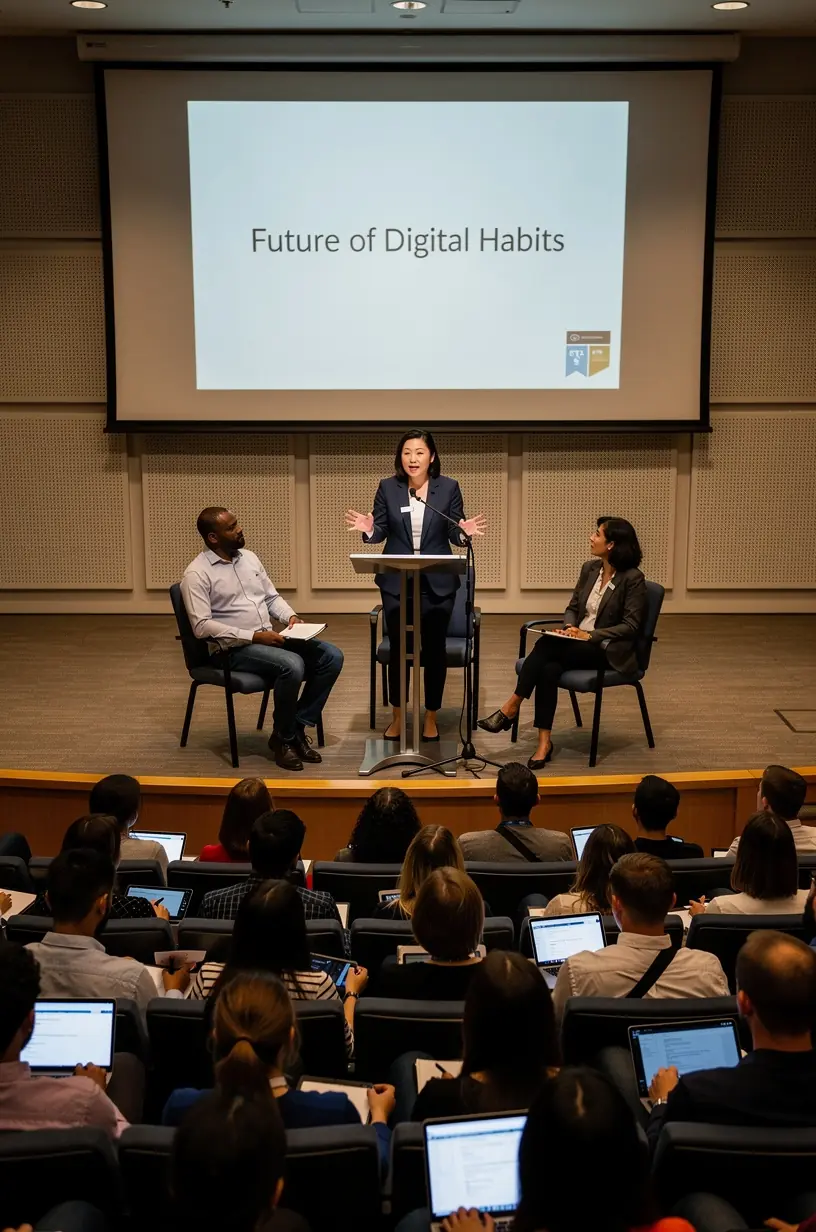
Exploring the Impact of Social Media on Communication
In recent years, social media has transformed the landscape of communication. While it provides unprecedented connectivity, it has also introduced complexities that affect how we interact. This article delves into the multifaceted impact of social media on communication practices among users in the United States.
Understanding the Evolution of Communication
Communication has evolved significantly, particularly with the advent of social media platforms. These platforms enable users to connect with others instantly, breaking geographical barriers that once limited interactions. According to a study by the Pew Research Center, approximately 72% of Americans use social media, indicating a profound shift in how people engage with each other.

"Social media has fundamentally changed the way we communicate, creating new norms and challenges in interpersonal interactions." - Communication Expert
Positive Impacts of Social Media on Communication
Social media can enhance communication in several ways:
- Real-time Information Sharing: Users can share updates, news, and personal milestones instantly, fostering a sense of immediacy in communication.
- Broader Reach: Individuals can connect with others beyond their immediate circles, allowing for the sharing of diverse perspectives and experiences.
- Support Networks: Social media provides platforms for individuals to seek and offer support, which can be beneficial for mental health and community building.
Challenges Arising from Social Media Communication
Despite its benefits, social media communication is not without challenges:
- Miscommunication: The lack of non-verbal cues in online interactions can lead to misunderstandings. Studies show that messages are often misinterpreted, especially in text-based formats.
- Reduced Face-to-Face Interaction: Many users report feeling less comfortable in face-to-face settings due to the prevalence of online communication, which can erode social skills over time.
- Information Overload: The sheer volume of content shared can overwhelm users, making it difficult to discern credible information from misinformation. This phenomenon is a growing concern among experts.
The Future of Communication in the Age of Social Media
As social media continues to evolve, the way people communicate will likely undergo further transformation. Experts suggest that future communication trends may include:
- Integration of Augmented Reality: Enhanced digital interactions through AR may provide a more immersive communication experience.
- Increased Focus on Mental Health: Users may prioritize their mental well-being by limiting their social media engagement, leading to a balance between online and offline communication.
- Greater Emphasis on Authenticity: As users become more aware of the curated nature of social media, there may be a movement towards more genuine interactions.
Conclusion
The impact of social media on communication is complex and multifaceted. While it provides opportunities for connection and expression, it also presents challenges that can affect interpersonal dynamics. Understanding these effects is crucial for navigating the communication landscape in today's digital age. By acknowledging both the advantages and limitations of social media, users can foster healthier communication habits that promote meaningful interactions.
Learn More